while Bart Urbanski
Bart Urbanski is a Glasgow-based artist from Poland whose practice combines an immigrant perspective with an academic framework grounded in postcolonialism and phenomenology. He holds a BA in Communication Design and an M.Res from the Glasgow School of Art. Working primarily with medium format photography, his work explores themes of migration and migrant experience. An award-winning artist, he has exhibited at Lens Culture in New York and the Royal Scottish Academy in Edinburgh, and has been featured in publications including PUNKT, TBD Ultramagazine, Edge of Humanity Magazine, and Pine Island Press. His practice engages with questions of identity, belonging, and the human condition within a changing world. the author's Instagram
Solar Recordings of Phone Calls with Family, Friends and Scammers
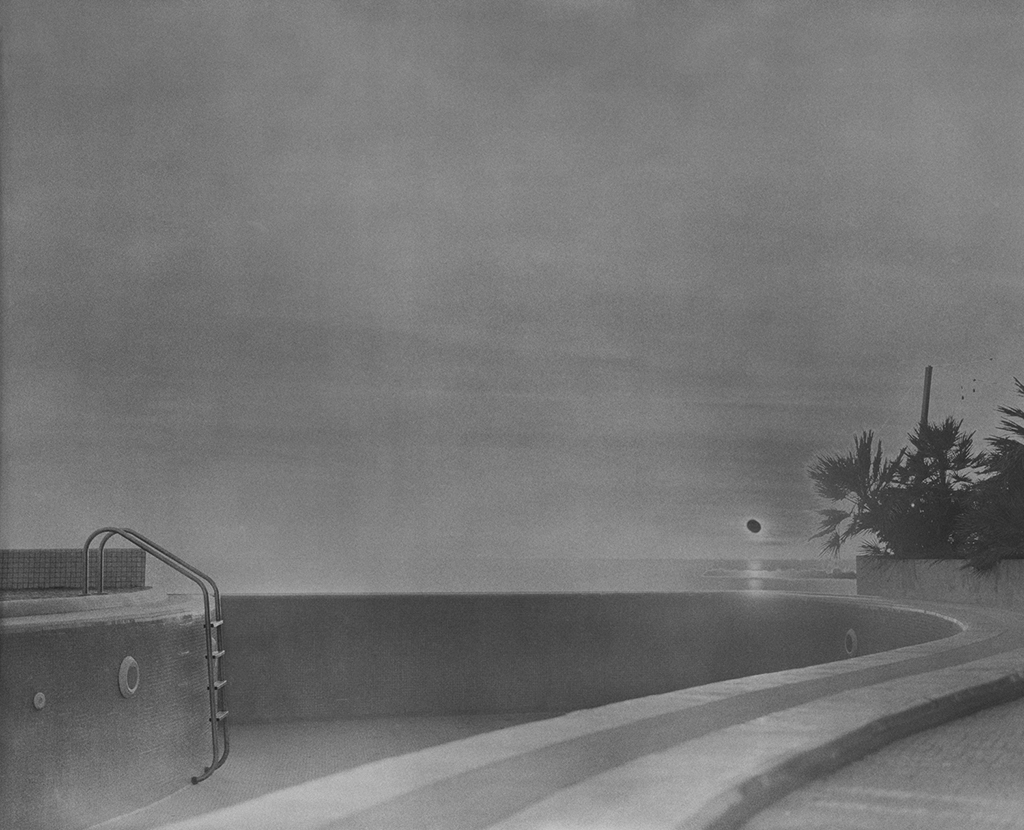
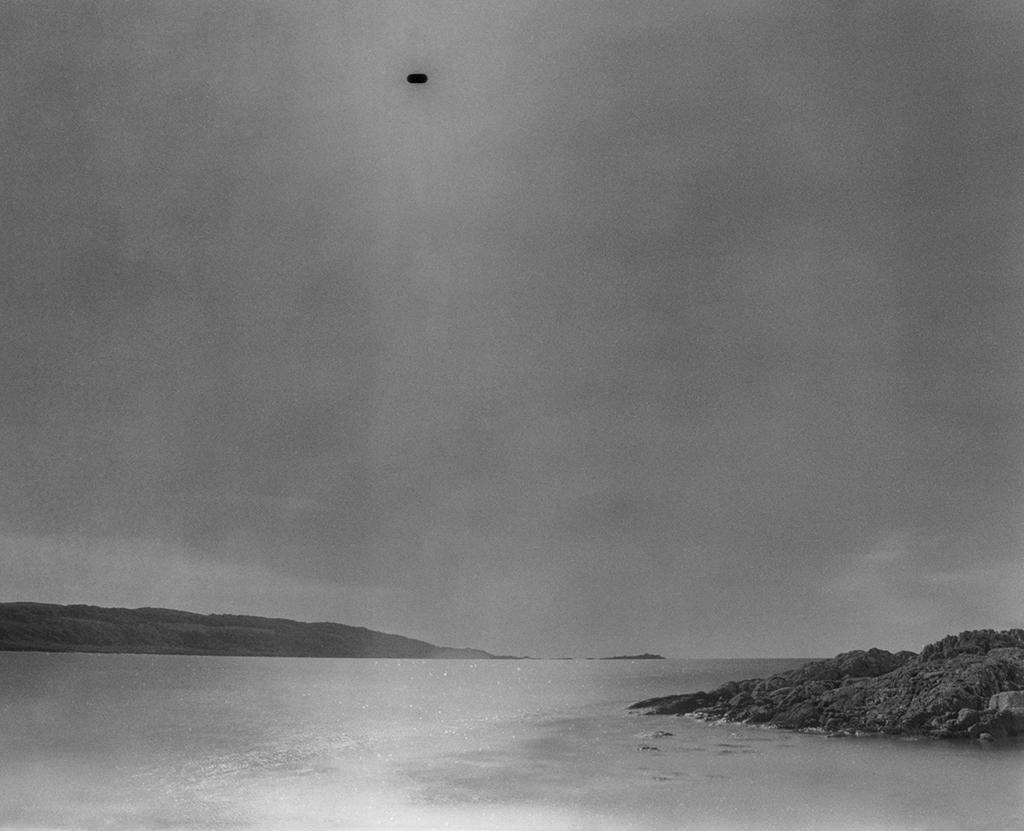
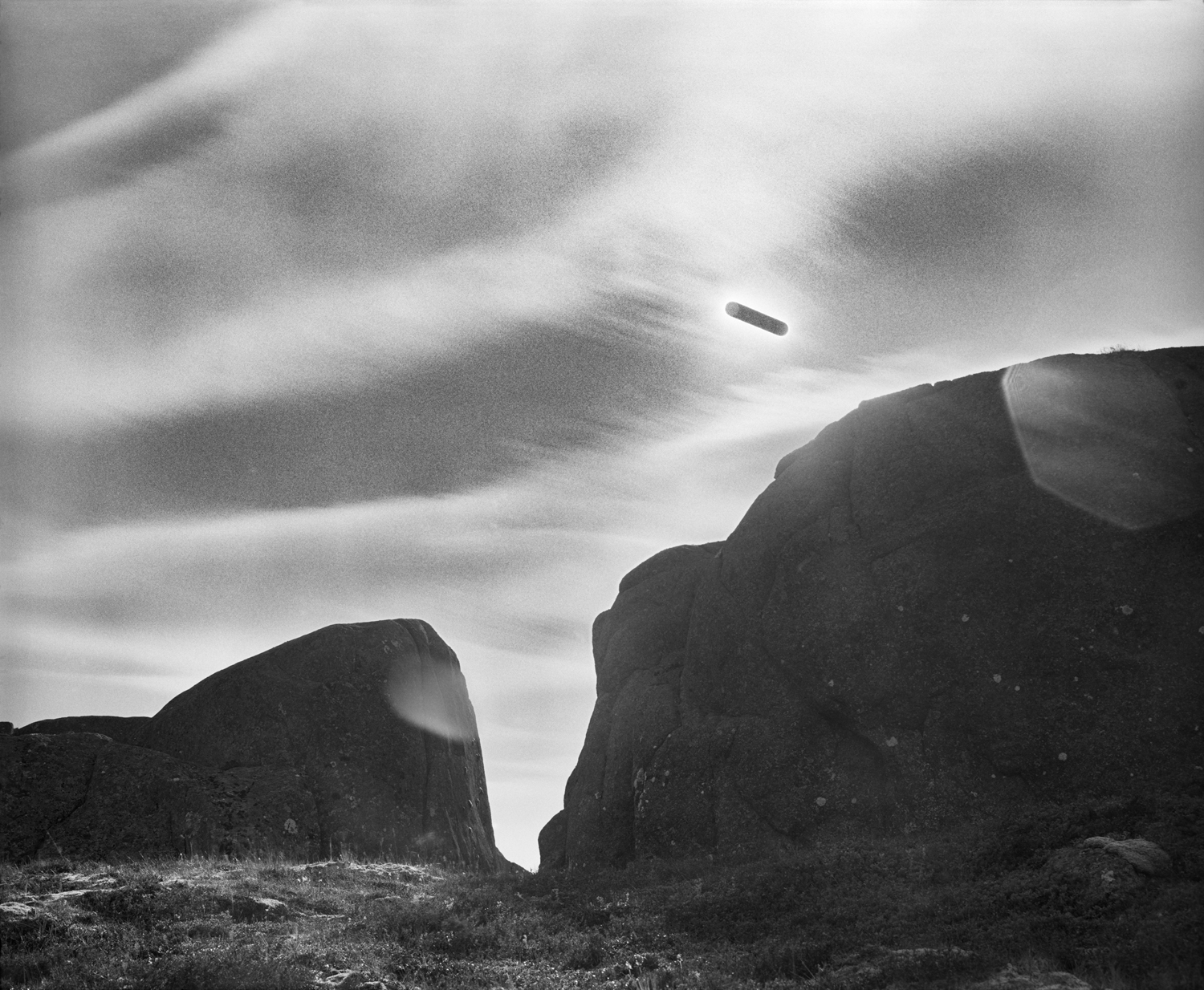
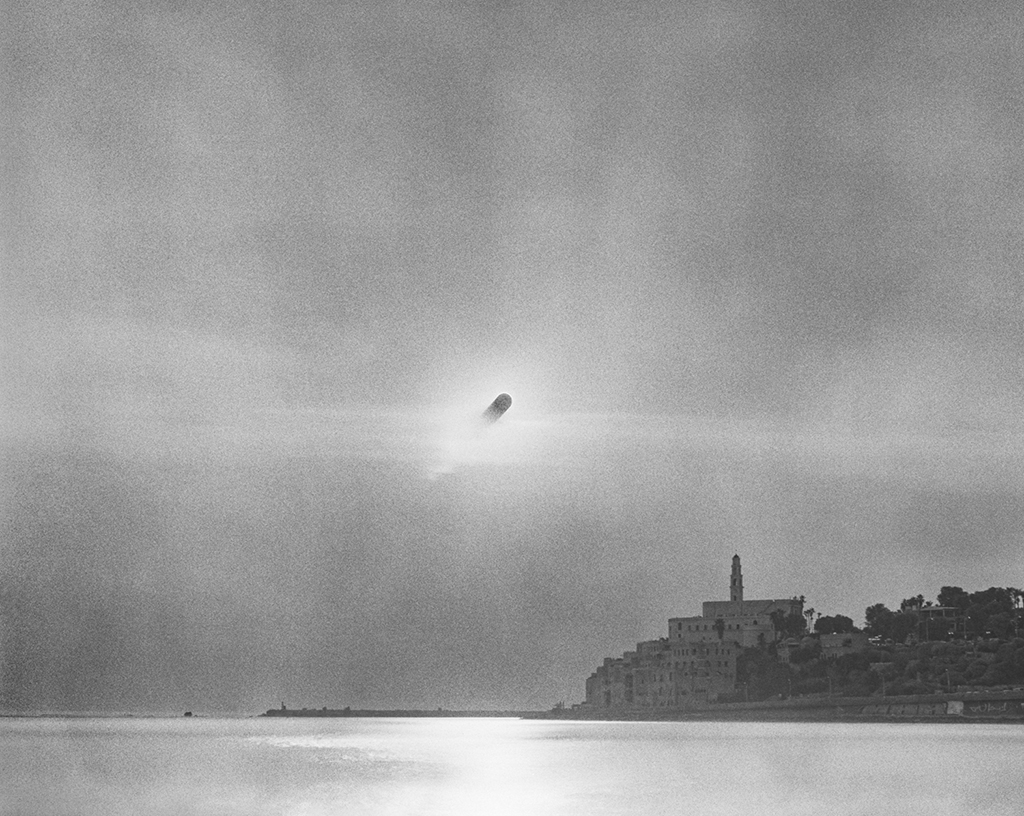
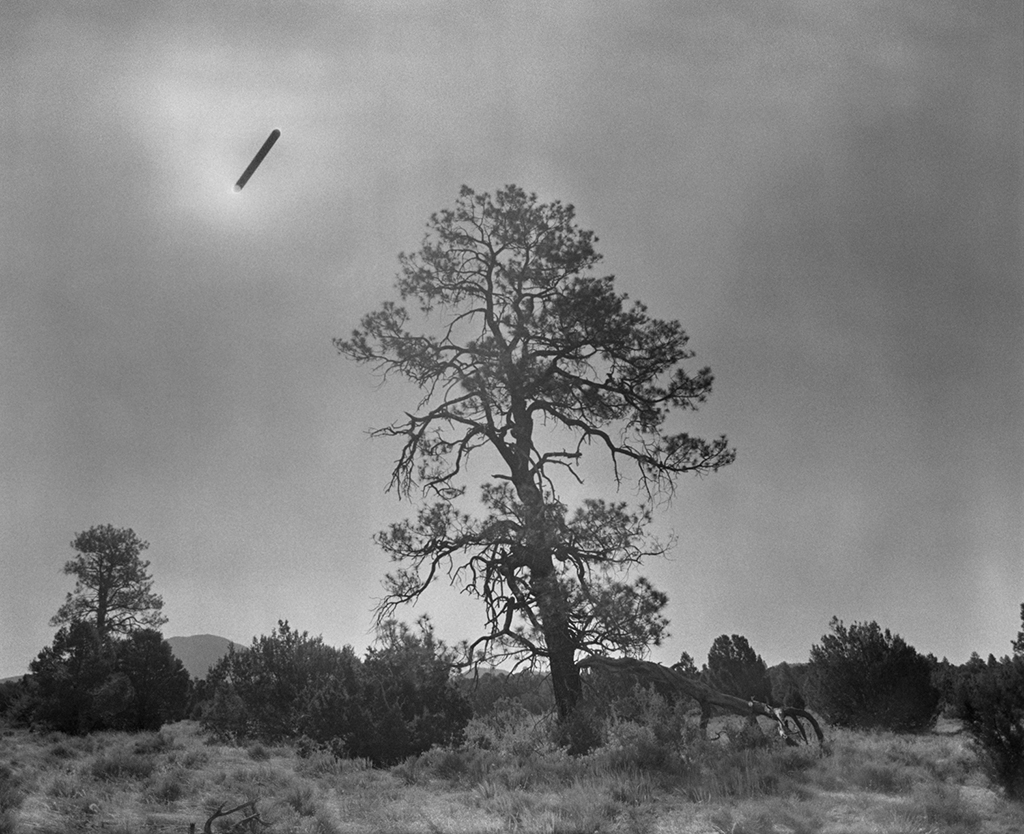
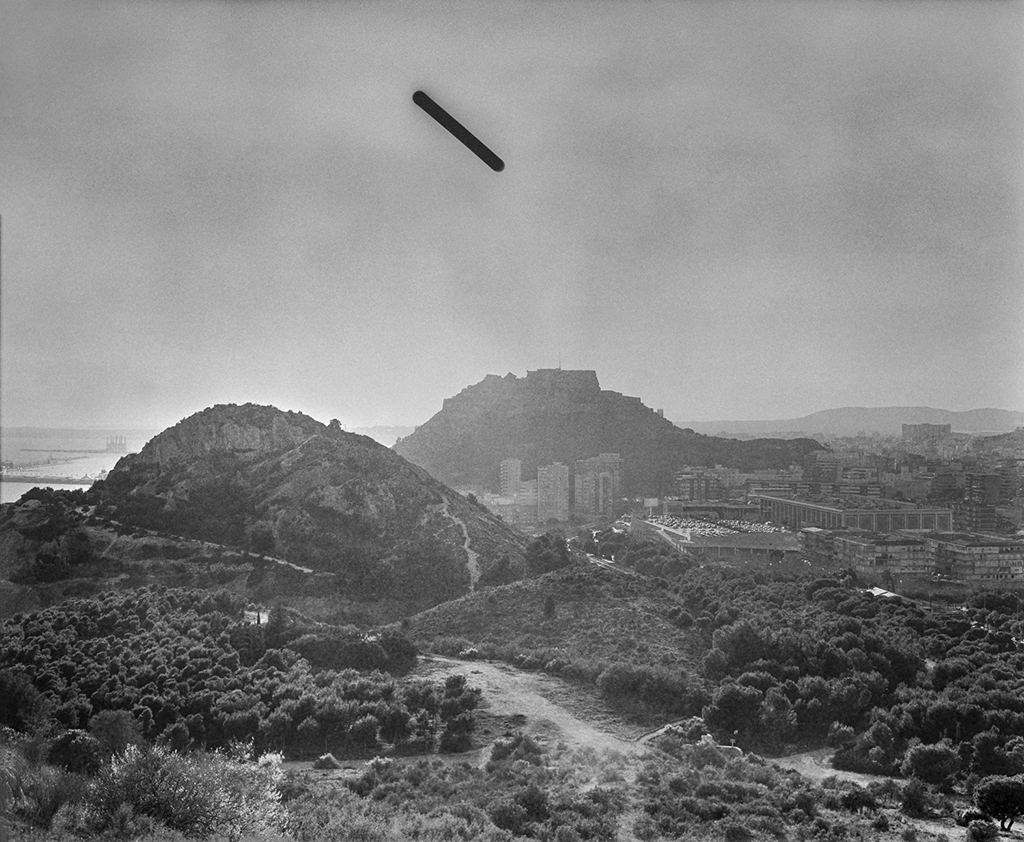
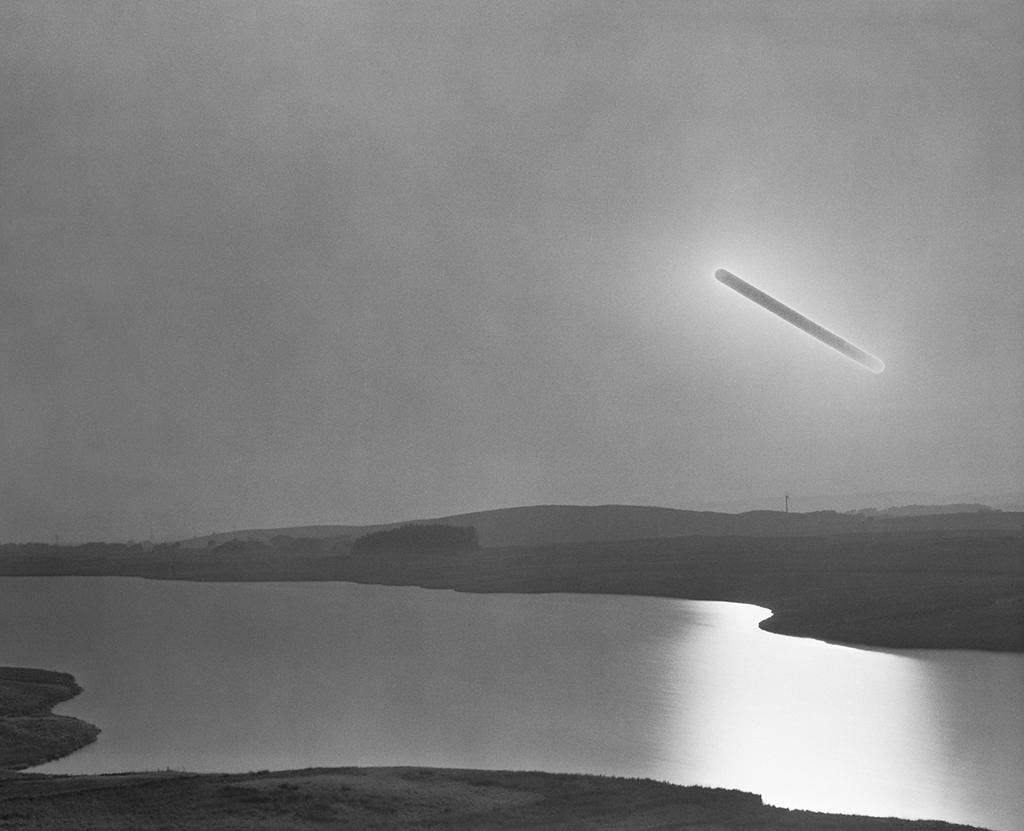
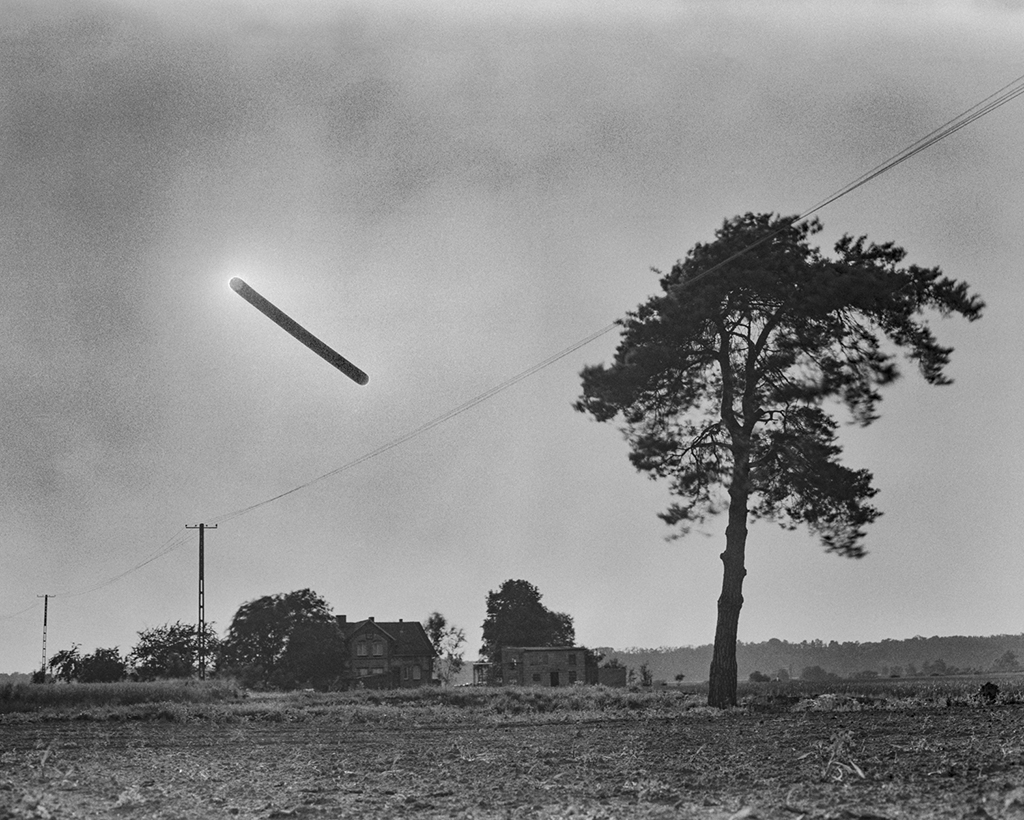
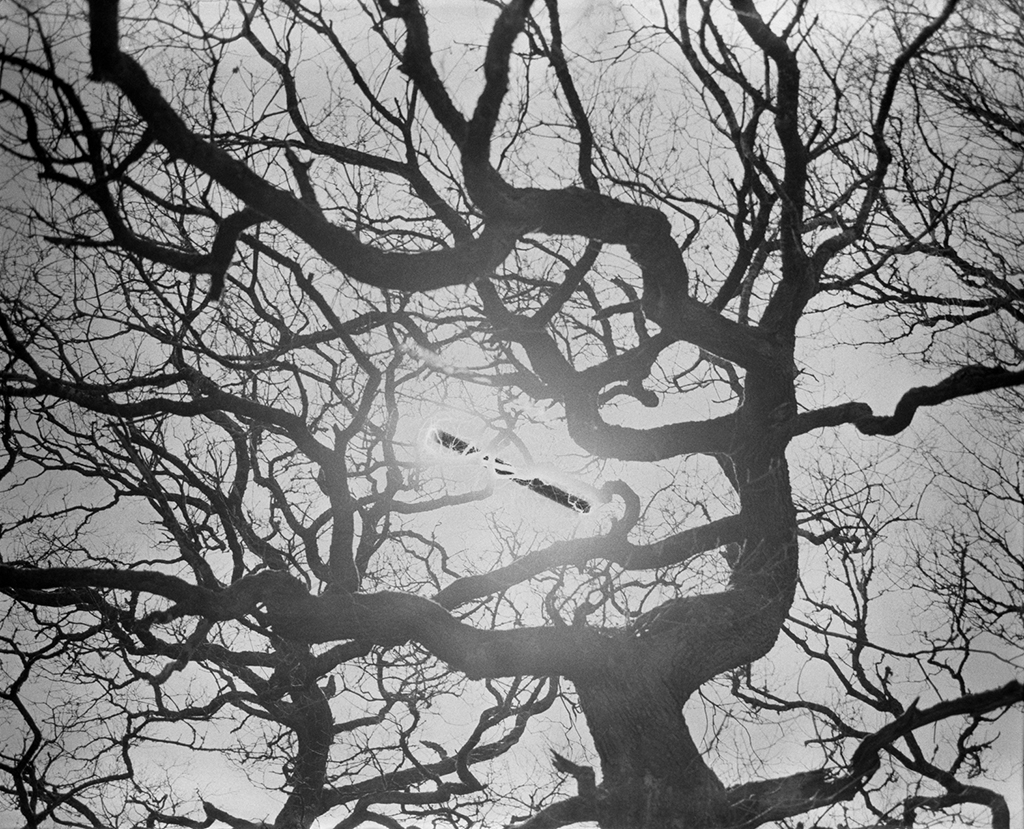
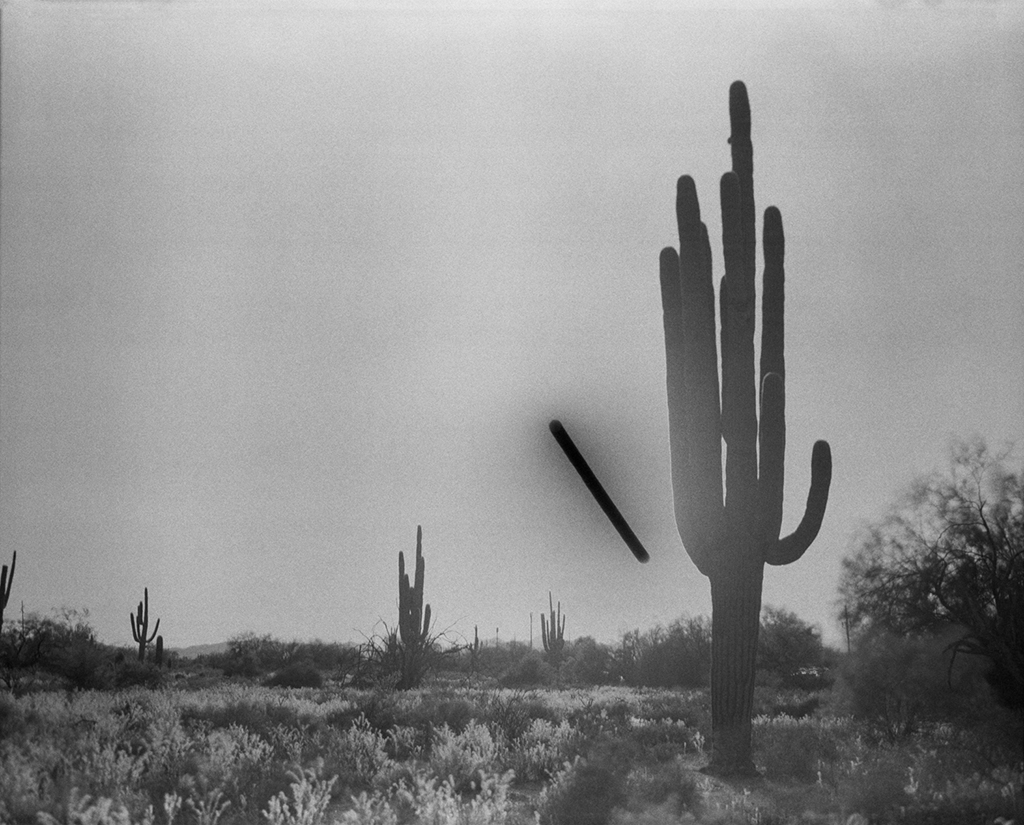
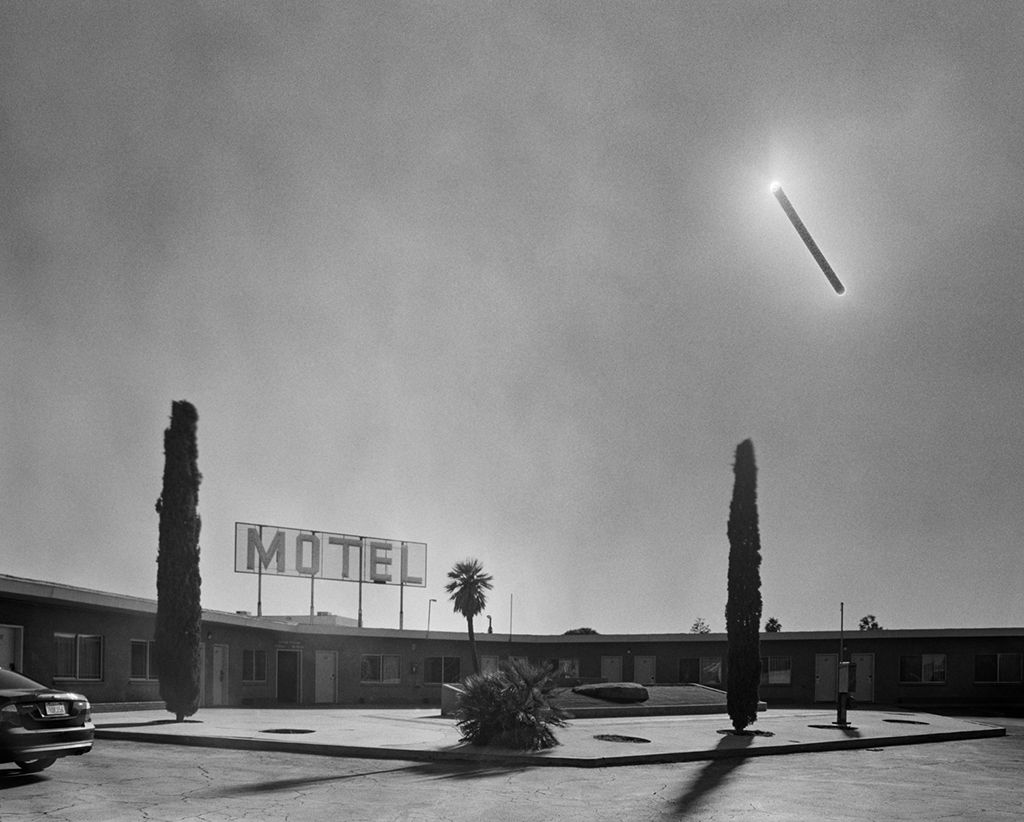
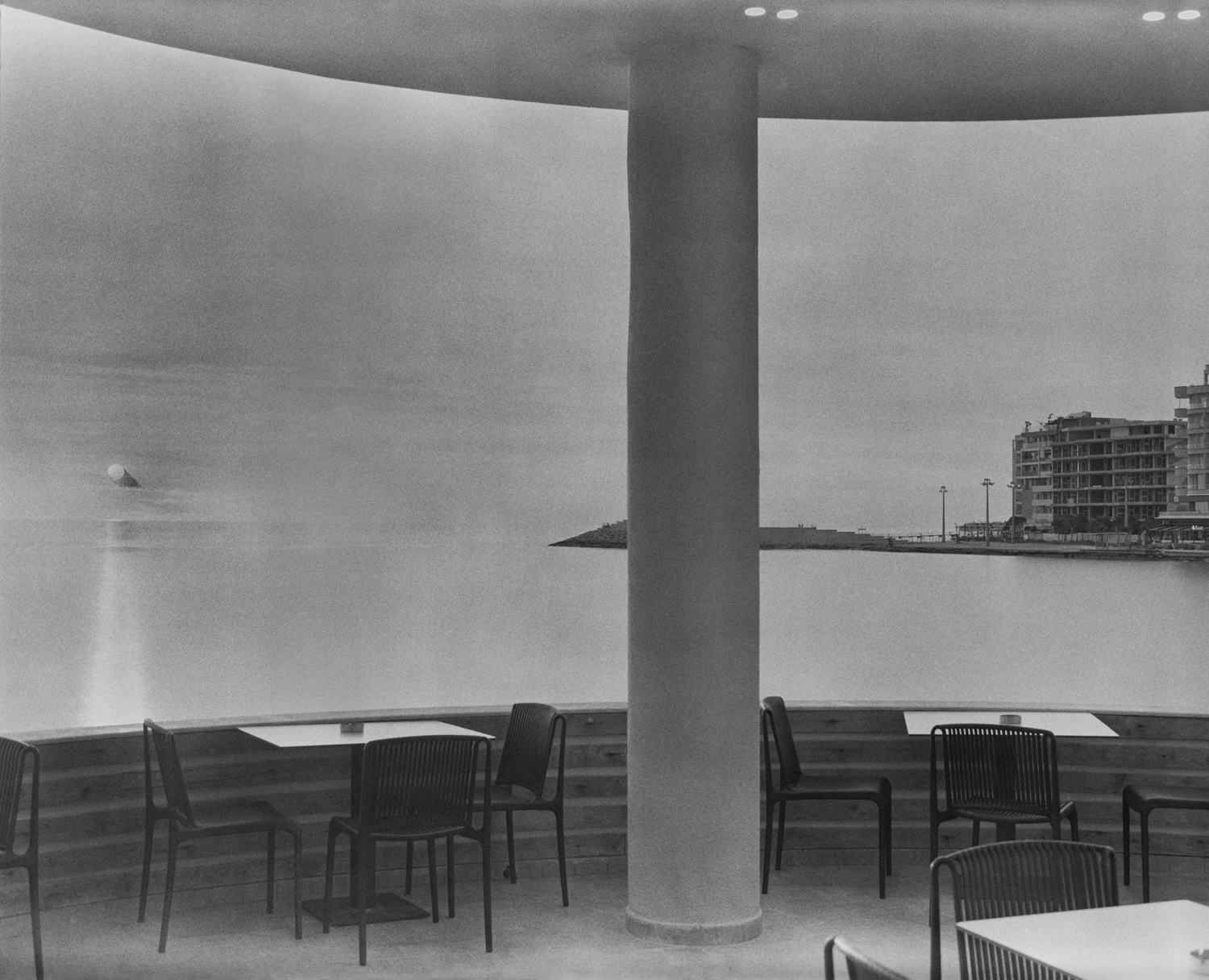
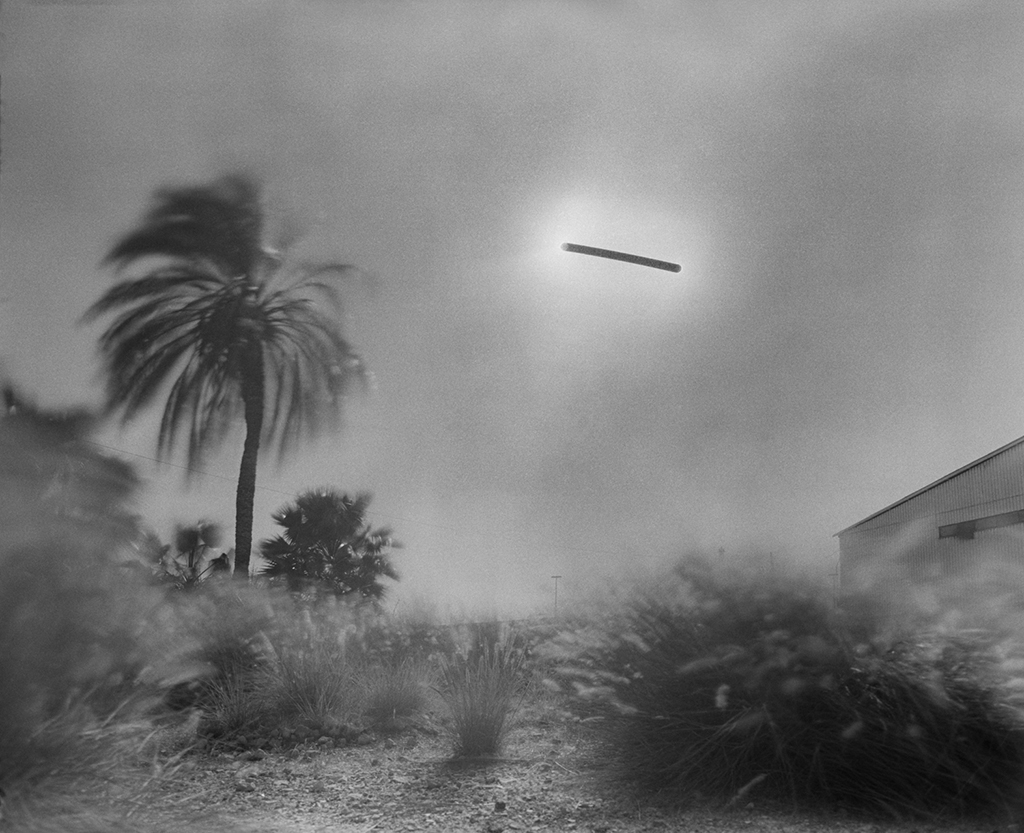
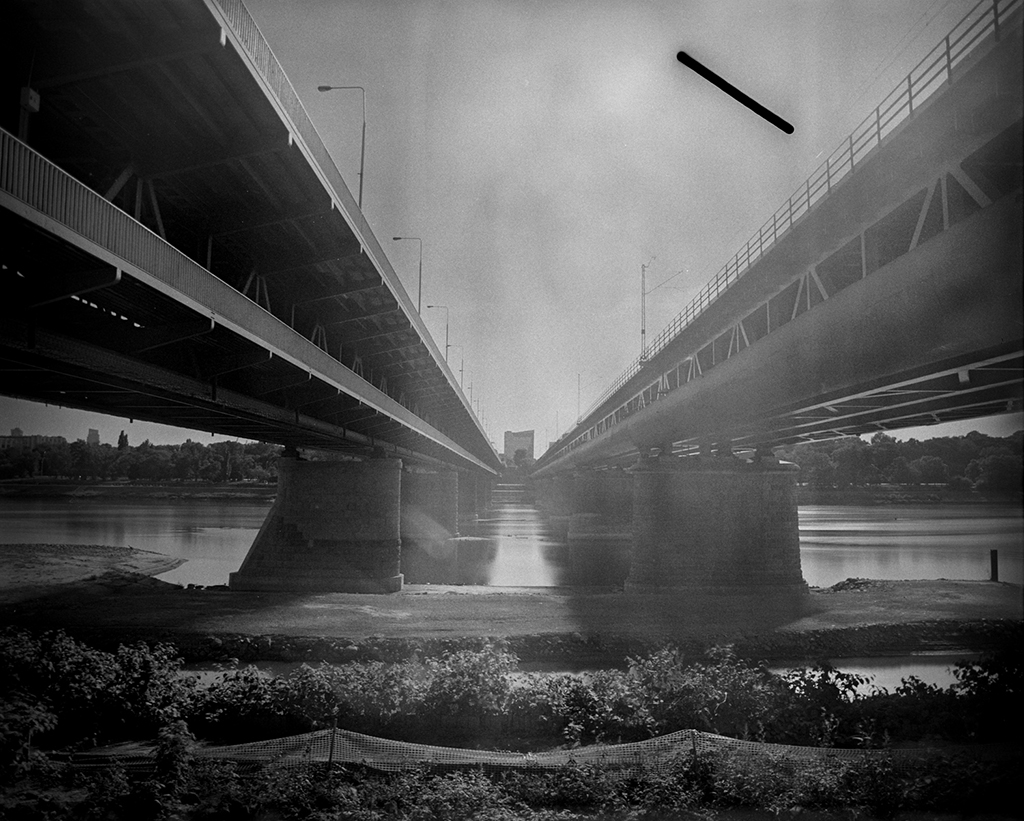
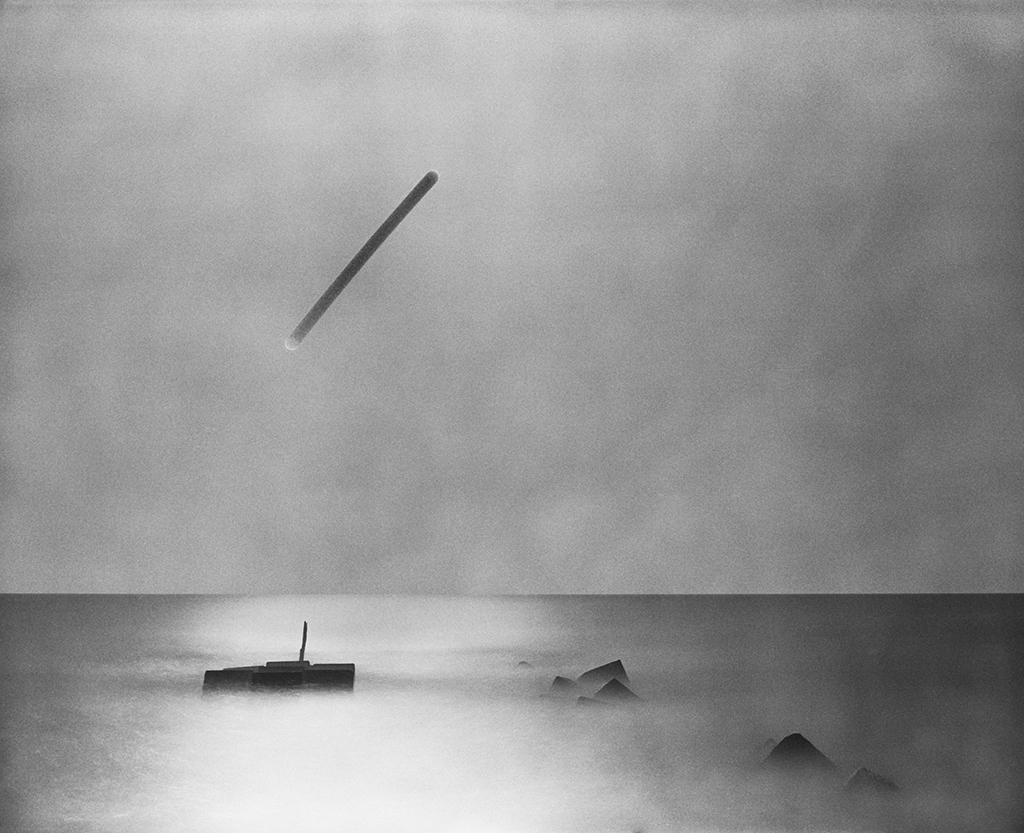
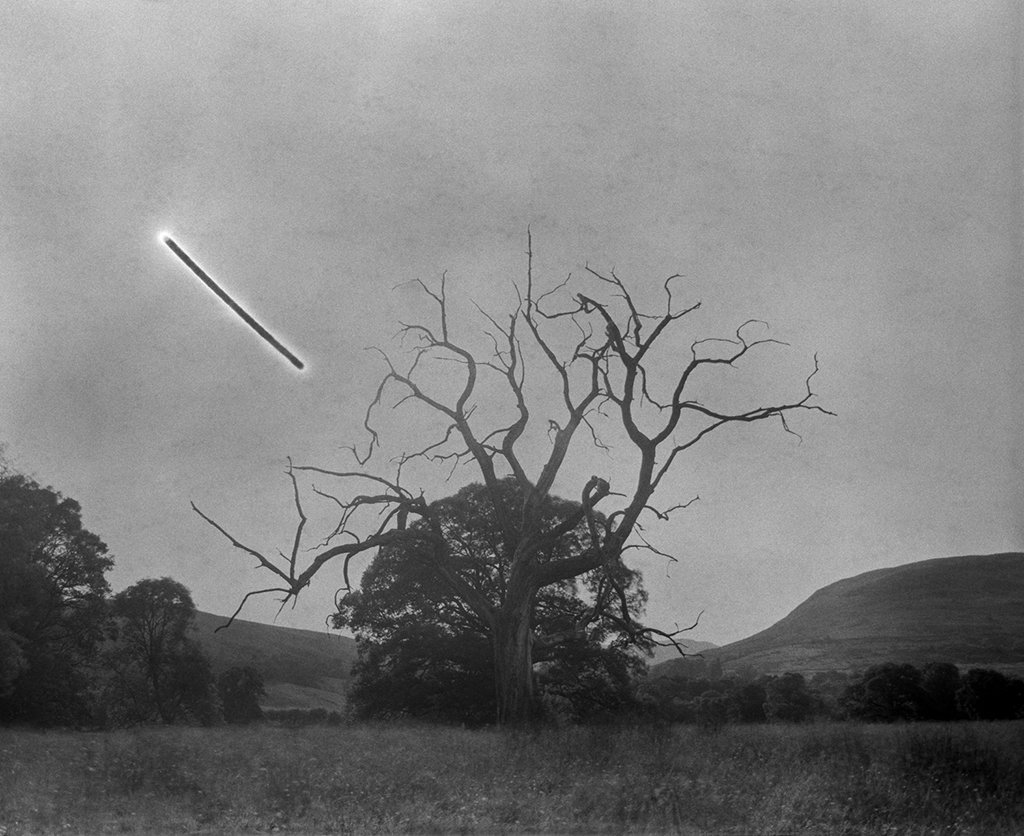
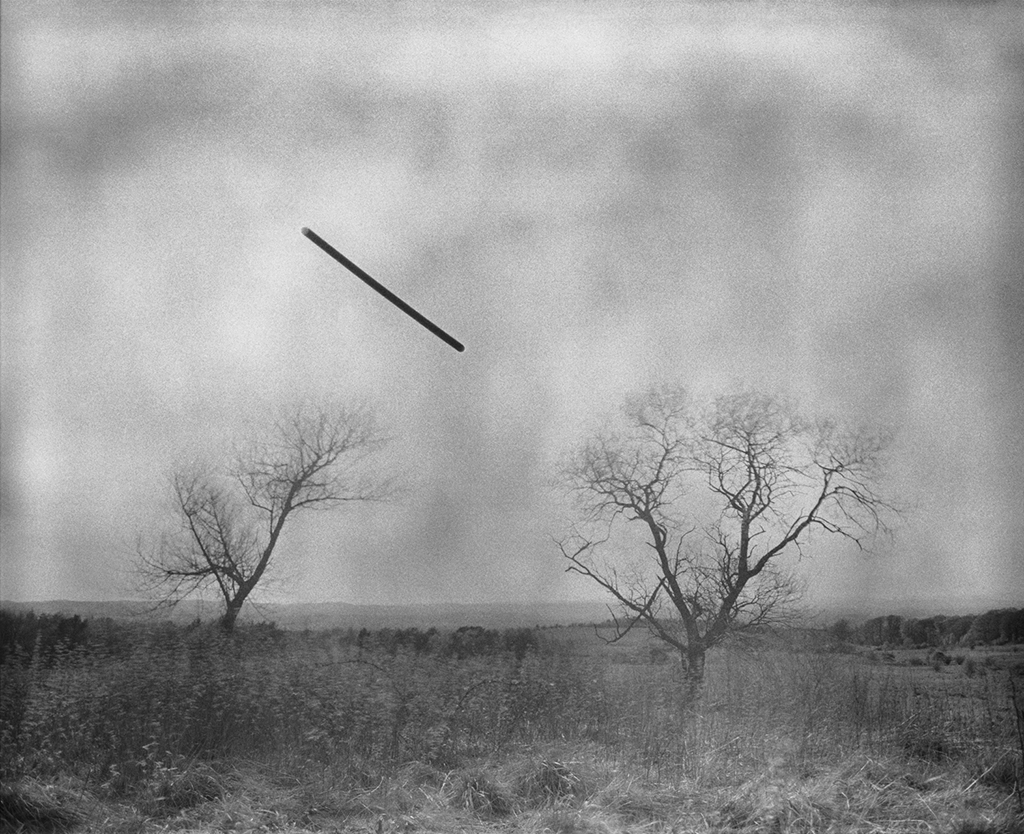
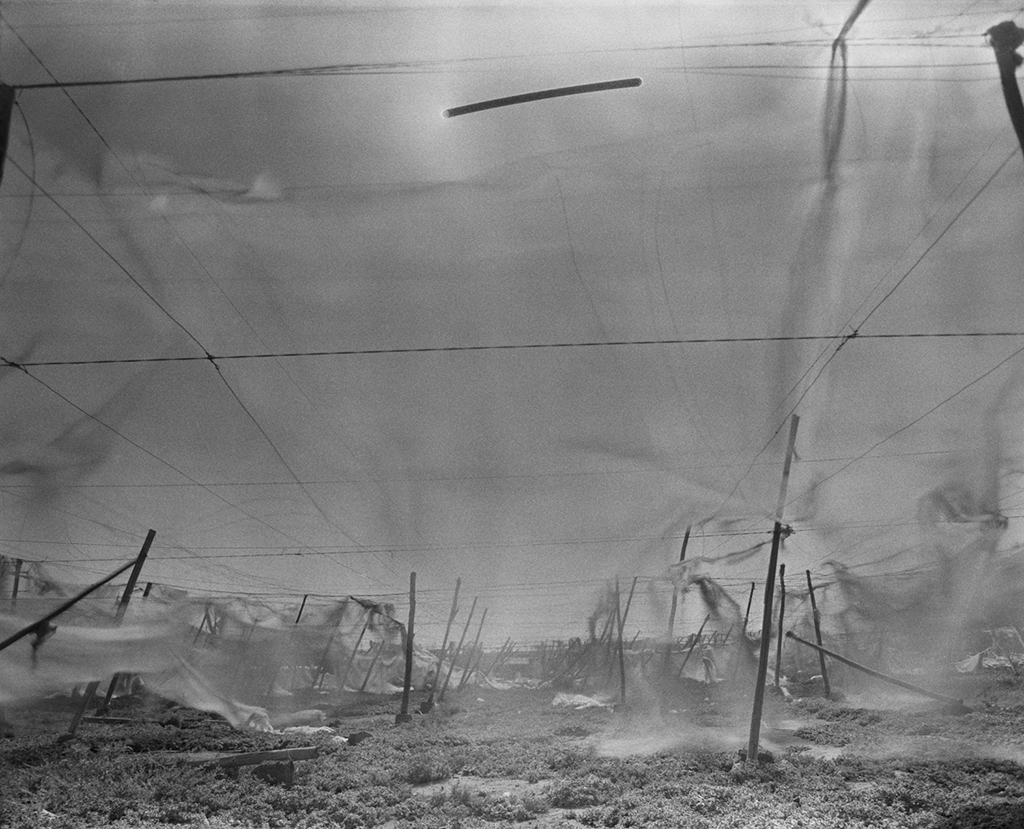
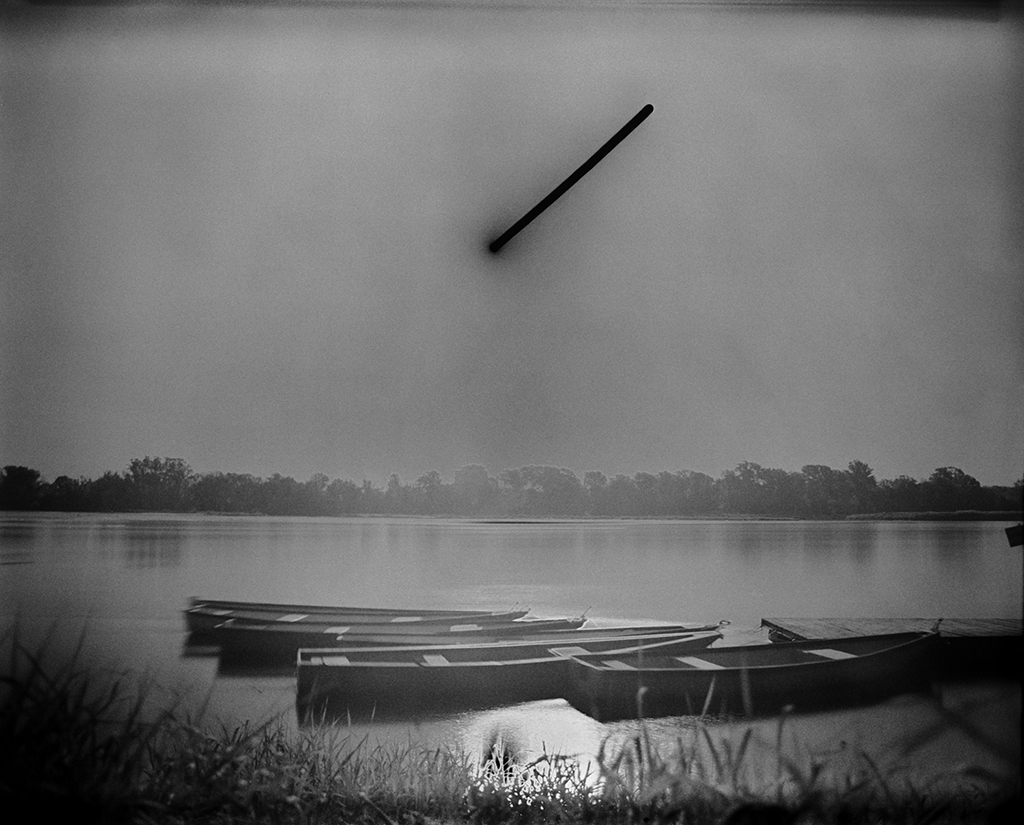
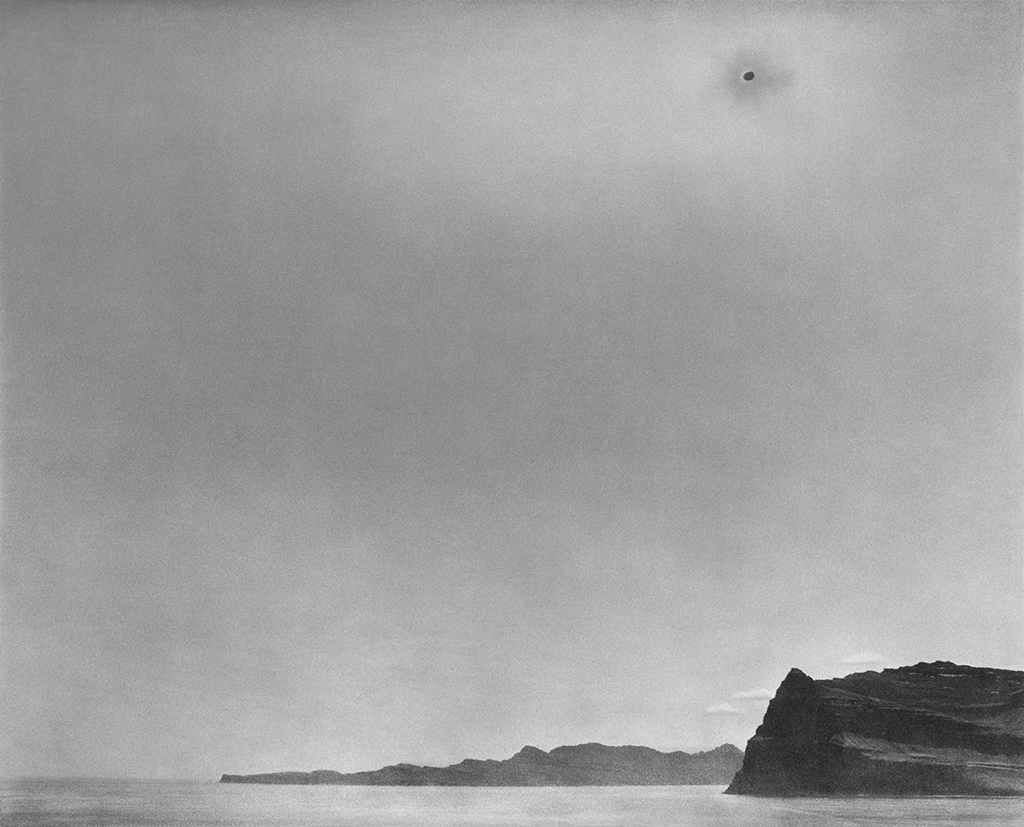
Solar Recordings of Phone Calls with Family, Friends and Scammers use photography to register the movement of the sun across the sky. The duration of each exposure is determined precisely by the length of a phone call, transforming spoken conversations into temporal instructions for the camera. As exposure time increases, the film becomes overwhelmed by direct sunlight, producing solarisation and turning the sun’s path into a dark, extraterrestrial streak cutting through the sky. Each image is therefore shaped not only by light, but by the duration and intensity of human exchange.
In an era marked by the growing presence of algorithmic generation and synthetic imagery, the physical origins of this work are paramount. Each recording relies on indexicality, requiring that the subject (the sun) and the sensor (the film) physically coexist in the same moment. The photographs cannot be simulated or predicted; they depend on real time, real light, and the material response of photographic film. In this sense, the work insists on photography’s capacity to bear witness through physical contact rather than computation.
The solarisation of each frame is a material consequence of prolonged exposure to direct sunlight — exposures that are sustained by the act of conversation itself. The ritual at the core of the work is the phone call: a durational, repetitive act that gains particular weight within the context of migration and long-distance relationships. Speaking across borders requires patience, availability, and time: qualities mirrored by the slow, deliberate process of working with medium format film. The project has been ongoing for nearly seven years and remains open-ended, evolving alongside the relationships it records.
Each photograph functions as a tangible artefact of a specific conversation. The length of the exposure allows inferences to be made about the nature of the relationship it records: brief exchanges, extended silences, or sustained dialogue leave distinct visual traces. Over the years, some conversations repeat while others quietly disappear, leaving behind only their earlier traces on film. In this way, the resulting archive becomes a record not only of connection, but of absence and change. Inspired by personal experiences as an immigrant reaching across global distances to connect with loved ones, the work also embraces the unexpected. Alongside conversations with family members and friends, the project deliberately incorporates phone calls with scammers and advertisers. These interactions introduce a contrasting form of communication: one driven by extraction rather than connection. While visually indistinguishable in their photographic outcome, these calls are devoid of relational depth. Their inclusion reflects a broader condition of contemporary communication, in which voices circulate constantly yet often without reciprocity or care.
The resulting monochromatic archive brings together intimate conversations, political discussions, moments of longing, and interruptions of noise. The desolate beauty of landscapes, marked by celestial streaks, stands as a silent witness to voices that cannot be heard but remain present. Rather than illustrating specific narratives, the images hold time itself — time spent reaching outward, maintaining bonds, or encountering their erosion. In doing so, the work reflects on distance not only as a physical condition, but as an emotional and temporal one, shaped by the fragile, ongoing effort to remain connected.